
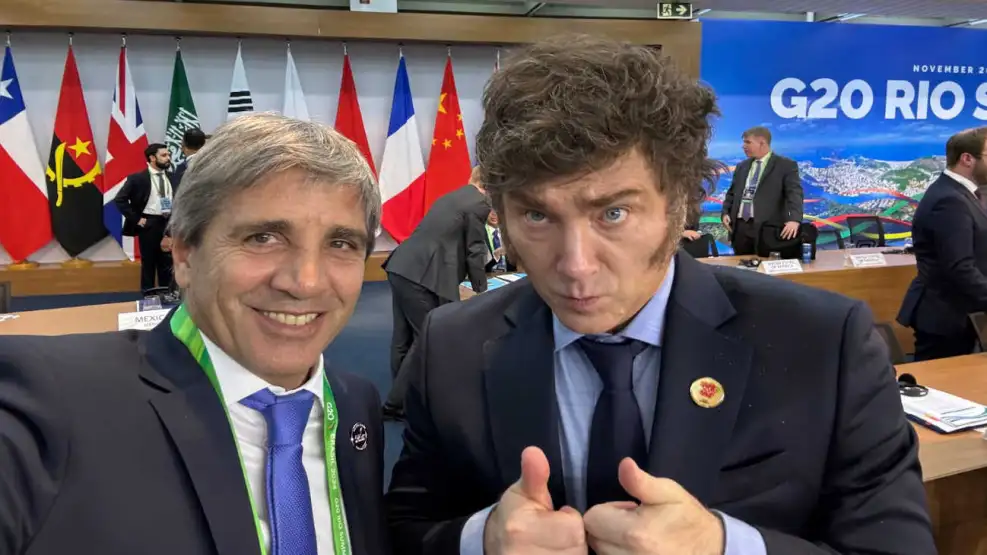
President Javier Milei recently reaffirmed his commitment to Argentina’s economic agenda, declaring that the government will continue its path of fiscal discipline, monetary stability, and structural reform — without wavering. In a public address to business leaders and economists, he emphasized that staying the course is essential for long-term stability and growth.
Milei argued that the country must persevere until results are visible, maintaining policies such as zero monetary issuance, responsible fiscal balance, and a stable currency regime. He insisted the administration’s goal remains to restore credibility, attract investment, and reduce inflation. According to him, the only acceptable measure of success will be tangible improvements in economic indicators, not slogans.
Regarding his personal political future, Milei left open the possibility of seeking reelection in 2027 — but made it conditional on delivering real results. He said that if he fails to solve the problems for which he was elected, he would not expect to be “renewed.” This message frames potential reelection as a transaction with society based on performance, not ambition.
What This Means for Argentina’s Future
-
Continuity in economic policy could increase investor confidence, support foreign capital inflows, and stabilize macroeconomic variables.
-
If reforms succeed, Argentina might attract long-term investments, reduce fiscal pressure, and set the stage for sustained growth.
-
Milei’s conditional reelection proposal ties his political future to performance, potentially strengthening accountability and incentivizing results.


Leave A Comment