
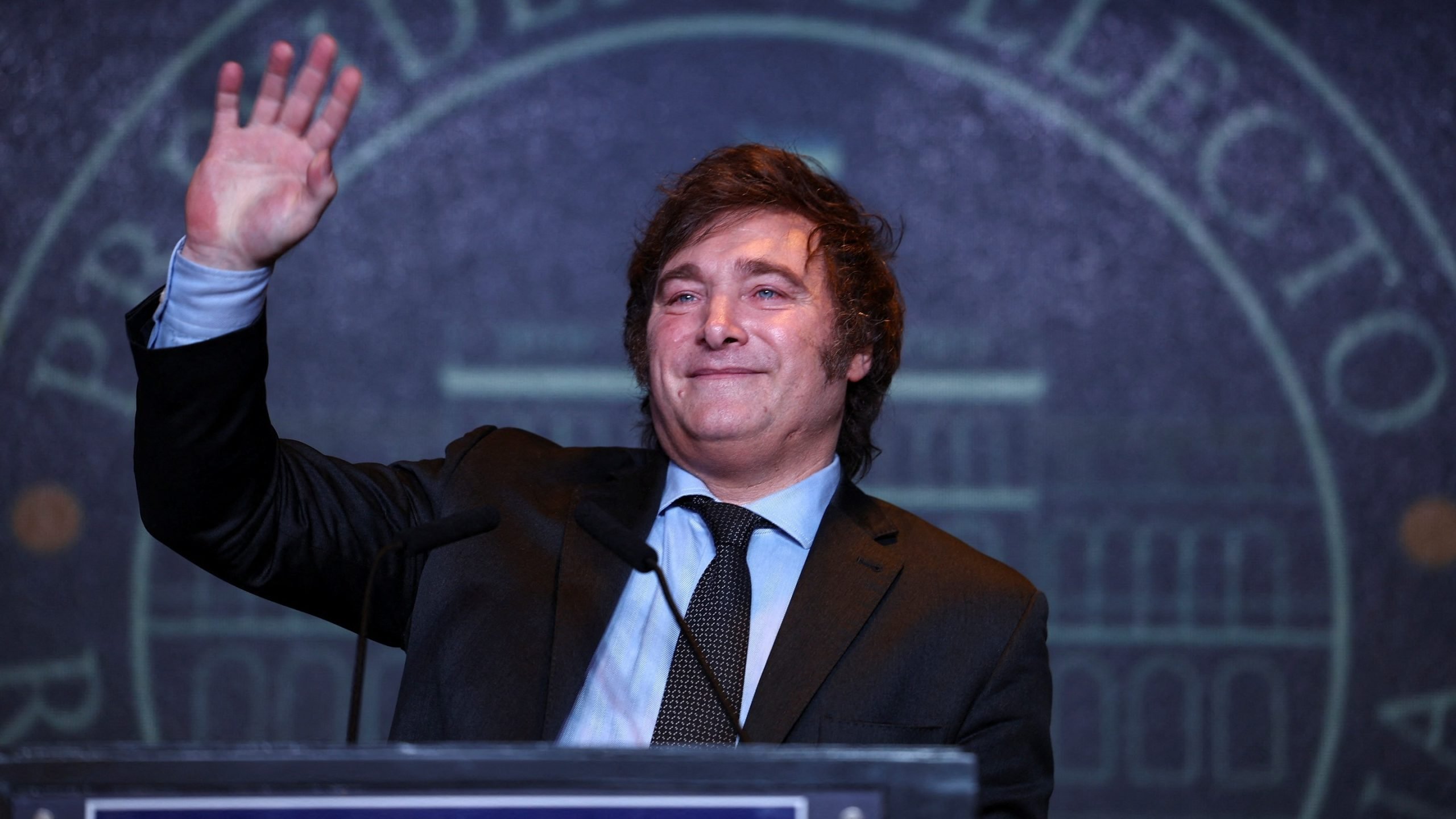
Argentine President Javier Milei made a pointed but fraternal remark to Bolivia’s incoming leader, Rodrigo Paz Pereira, congratulating him on his victory while highlighting the weight of the task ahead. With a voice of both challenge and solidarity, Milei told Paz: “I know what you’re receiving — I say it from my experience.”
The phrase reflects several layers at once. On one level, it’s a gesture of mentorship: Milei, who has navigated Argentina’s own period of crisis and reform, acknowledges that Paz will step into a presidency loaded with expectations, burdens and urgent tasks. On another level, it carries a warning: the invitation to govern comes with no room for half-measures, no shelter in indecision.
In his message, Milei emphasized that the era of “socialist state expansion” in Bolivia was ending, and that Paz was leading his country into the “world of freedom.” The words are rhetorical yet telling—Milei uses his victory and reform agenda in Argentina to set a template for others in Latin America. He’s sending a message: you’re not alone in the fight, but the stakes are high.
For international observers, the interaction is more than diplomatic pleasantries. It signals Argentina under Milei is positioning itself as a regional reform leader, eager to export its narrative and gather allies. For Paz, the embrace carries both opportunity and expectation: chance to lean on Argentina’s support, and pressure to live up to the promise of effective governance.
Ultimately, the moment underscores how Milei frames his Presidency—not just as domestic leadership, but as a regional moment of liberty, reform and alignment with global markets. His words to Paz aren’t casual; they are part of a broader story he is crafting across Latin America.


Leave A Comment