
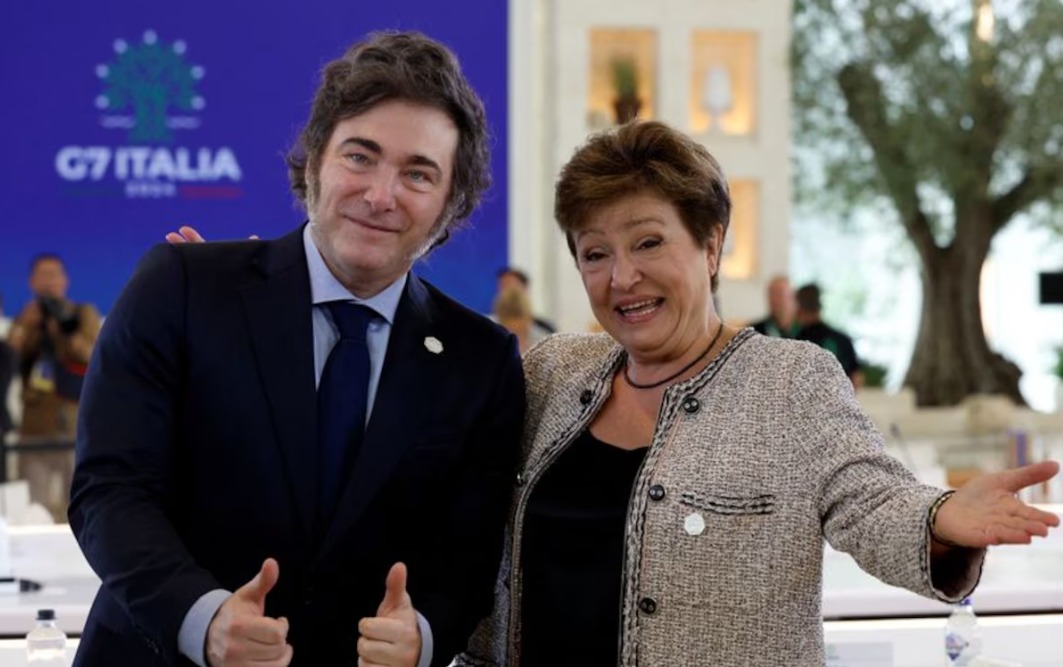
Argentina’s international reserves at the Central Bank have climbed to their highest point in recent years, a development directly linked to the economic policies implemented under President Javier Milei. This milestone reflects stronger macroeconomic management, improved foreign exchange dynamics, and renewed confidence from investors and market participants.
A Clear Indicator of Progress
The growth in international reserves signals that Argentina’s external position is strengthening. Higher reserves provide a larger buffer against external shocks, support currency stability, and enhance the country’s ability to meet foreign debt obligations without resorting to abrupt policy shifts. Importantly, this build-up of reserves has occurred amid an agenda of fiscal discipline, structural reform, and efforts to improve trade balances — pillars of Milei’s economic strategy.
According to officials close to the administration, better performance in agricultural exports, energy production, and strategic renegotiations in international financing have all contributed to the reserves’ growth. Additionally, the disciplined management of public accounts and strict control of monetary expansion have reduced speculative pressures on the currency, allowing the Central Bank to accumulate reserves more effectively.
Why This Matters for Argentina’s Economy
A healthy reserve position is a cornerstone of macroeconomic stability. It enhances confidence among importers, exporters, and foreign investors alike. It also reduces vulnerability to external volatility, such as sudden shifts in global commodity prices or changes in capital flows. For a country that has historically grappled with reserve depletion and currency instability, this surge represents a meaningful turnaround.
Higher reserves also create room for policymakers to plan long-term investments in infrastructure, social priorities, and economic diversification. They serve as a buffer that can sustain periods of slower growth without forcing abrupt austerity measures or emergency imports restrictions.
Milei’s Policy Framework in Action
President Milei’s economic playbook has focused on:
- Fiscal discipline — controlling the size and growth of government spending.
- Monetary responsibility — limiting monetary expansion to protect the currency.
- Export-oriented incentives — boosting foreign exchange earnings through trade.
- Institutional credibility — signaling consistency to international markets.
The reserves milestone underscores that these policies are not abstract doctrines but mechanisms that produce measurable results.






Leave A Comment