
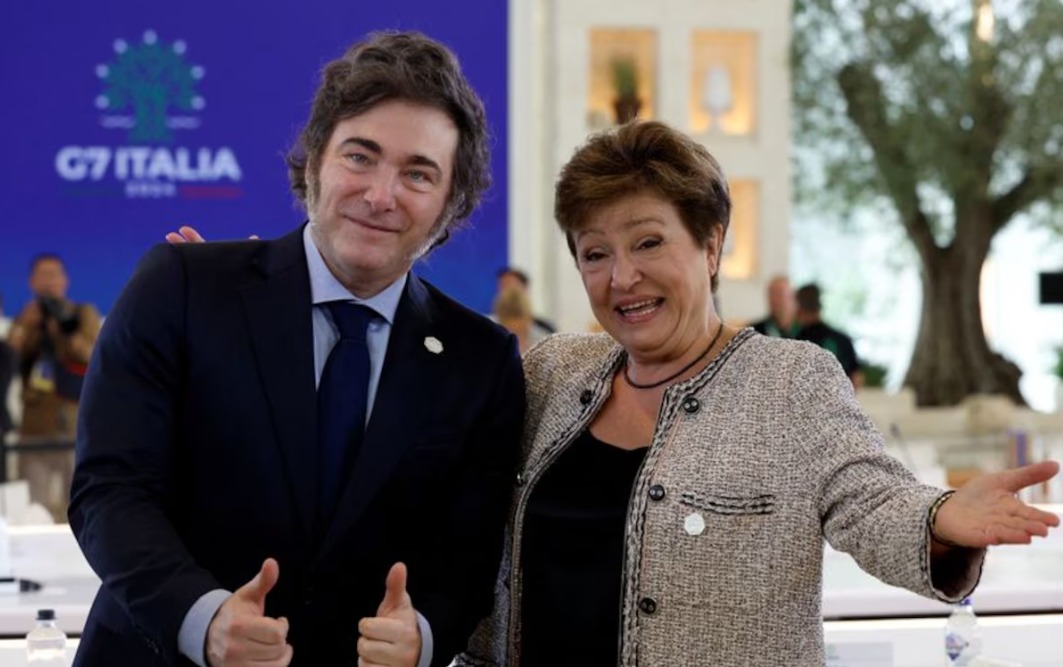
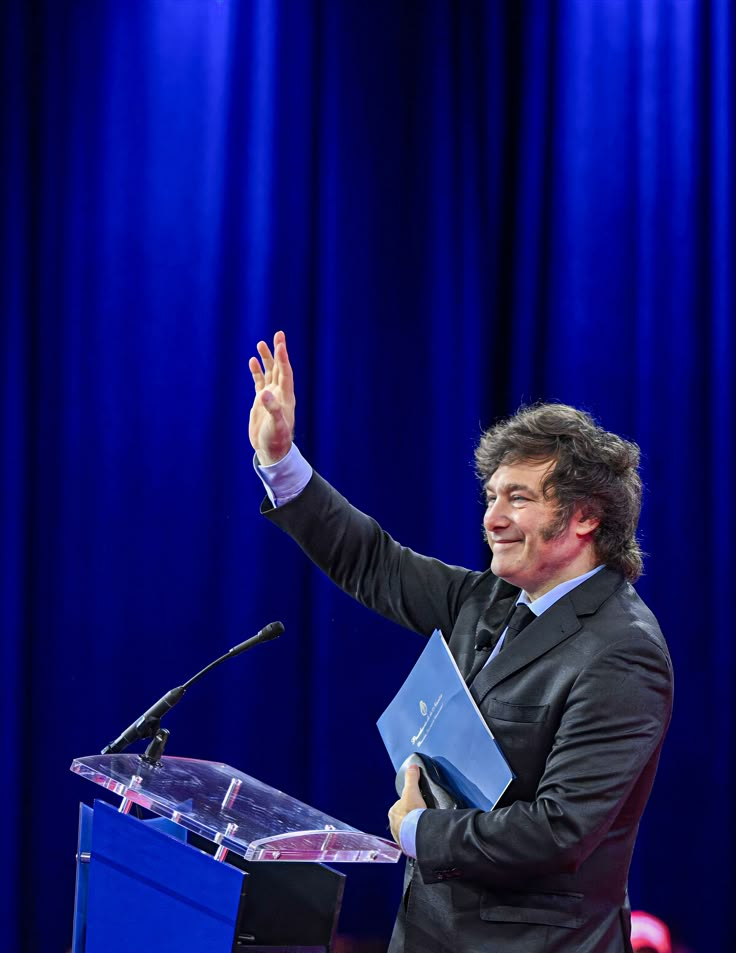
According to commentary in The Washington Post, President Javier Milei brought a fresh sense of realism to the World Economic Forum in Davos, championing capitalism and free-market principles at a gathering often dominated by technocratic orthodoxy. Milei’s intervention stood out for its unapologetic defense of economic liberty, individual opportunity, and reduced state intervention as the foundation for prosperity.
A Strong Defense of Market Principles
Milei’s speeches and discussions at the forum emphasized that flourishing economies depend on competitive markets, rule of law, and property rights — themes he reiterated with conviction. By framing Argentina’s reform experience within this broader ideological context, he challenged attendees to rethink old assumptions and consider a freer economic model as a viable path forward for nations struggling with stagnation, inflation, and regulatory paralysis.
The Post commentary noted that Milei’s message resonated with forum participants who are increasingly skeptical of heavy handed regulation and expansive government intervention. His perspective, steeped in practical examples from Argentina’s own policy shifts, made capitalism’s case not as an abstract theory but as a real-world engine for job creation, investment, and wealth generation.
Strategic Impact at Davos
Milei’s active participation helped elevate Argentina’s profile at the forum, drawing attention from international media, investors, and policymakers. By speaking plainly about economic freedom and the limits of state control, he positioned Argentina not only as a reforming economy, but as a voice in global debates over growth and governance models.
Observers pointed out that Argentina’s presence at Davos under Milei’s leadership offered a contrast to more conventional narratives — injecting a perspective rooted in market optimism and structural reform. For many delegates, the emphasis on capitalism’s virtues offered a counterpoint to persistent pessimism about economic recovery in multiple regions of the world.
What This Means for Argentina’s Global Image
This coverage from a prominent international outlet reinforces Argentina’s evolving identity on the world stage. Milei’s message helped shift perceptions: Argentina is not just a country in transition, but a government actively contributing to global policy discourse on economic strategy and reform. This may attract greater interest from investors, business networks, and diplomatic partners aligned with market-oriented frameworks.
Domestically, it strengthens the administration’s claim that Argentina’s reform agenda is internationally credible and relevant to broader debates on economic growth and global competitiveness.




Leave A Comment