
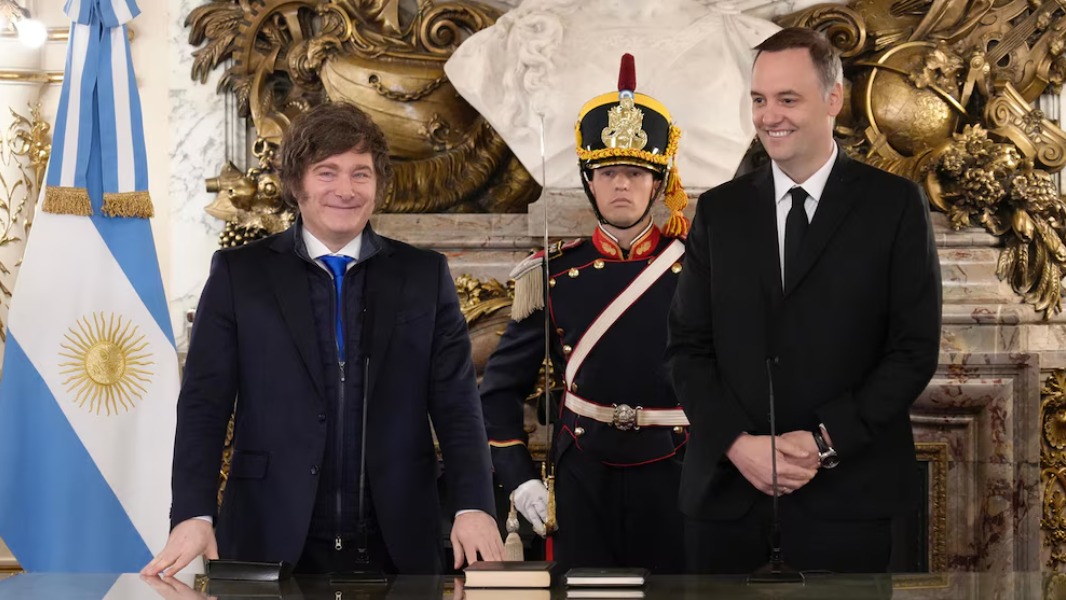
President Javier Milei’s recent visit to Paris marks a definitive moment in Argentina’s foreign policy and its quest to reclaim a seat at the table of the world’s leading economies. By securing high-level meetings with key European officials and business leaders, the administration has underscored its commitment to integrating Argentina into the global market, leaving behind years of erratic diplomacy that characterized previous administrations.
The images from the visit—full of productive dialogues and a warm reception from his international counterparts—stand in stark contrast to the isolationist tendencies of the past. While the opposition back home, particularly the remnants of the kirchnerist movement, attempts to cling to outdated populist rhetoric, the international community appears to be responding to a new, pragmatic, and reform-minded Argentina.
Breaking the Cycle of Isolation
For over a decade, Argentina struggled with a foreign policy that often prioritized ideological affinity over national interest. This led to strained relations with traditional allies and a dwindling presence in major global fora. President Milei’s approach is fundamentally different:
-
A Focus on Results: The diplomatic mission in France was not merely ceremonial; it was a targeted effort to bolster investment, trade, and cooperation in security and technology.
-
Restoring Credibility: By consistently applying a reformist agenda—focused on fiscal balance and property rights—the administration is systematically restoring trust among international partners who were previously wary of the country’s instability.
-
The “New Argentina” Image: The focus is on branding the nation as a destination for serious, long-term capital, distancing the country from the erratic, debt-laden policies of the last twenty years.
A Stark Contrast for the Opposition
Back in Argentina, the political fallout from the trip has been telling. The opposition, particularly those still aligned with the kirchnerist model, has found itself trapped by its own history. Unable to articulate a vision that competes with the current administration’s emphasis on fiscal discipline and international integration, they are increasingly relegated to criticizing the optics of the trip rather than addressing the substance of the economic recovery.
This ideological stagnation is becoming a liability for the opposition. As the public witnesses the government’s successful efforts to normalize relations with global powers, the “old guard” seems increasingly out of touch. The contrast is clear: one side is looking toward the future, seeking to turn Argentina into an open and prosperous nation, while the other remains tethered to a narrative of decline and inward-looking populism that the majority of the electorate has already rejected.
The Road Ahead
The success of the Paris mission is a signal that Argentina is back on the global radar. As the country continues to refine its domestic policies, its diplomatic weight will naturally increase, opening new doors for commercial growth and strategic partnerships. For the citizens, this is not just about foreign relations; it is about the tangible benefits that flow from being a respected, reliable, and integrated player in the global economy.
The government’s message is clear: Argentina is done with the politics of the past. The journey to reclaim the nation’s place in the world is well underway, and with every successful diplomatic milestone, the path toward a more stable and prosperous future becomes even more defined.
Stay informed as we track how Argentina’s new diplomatic posture is reshaping its future on the international stage.





Leave A Comment