
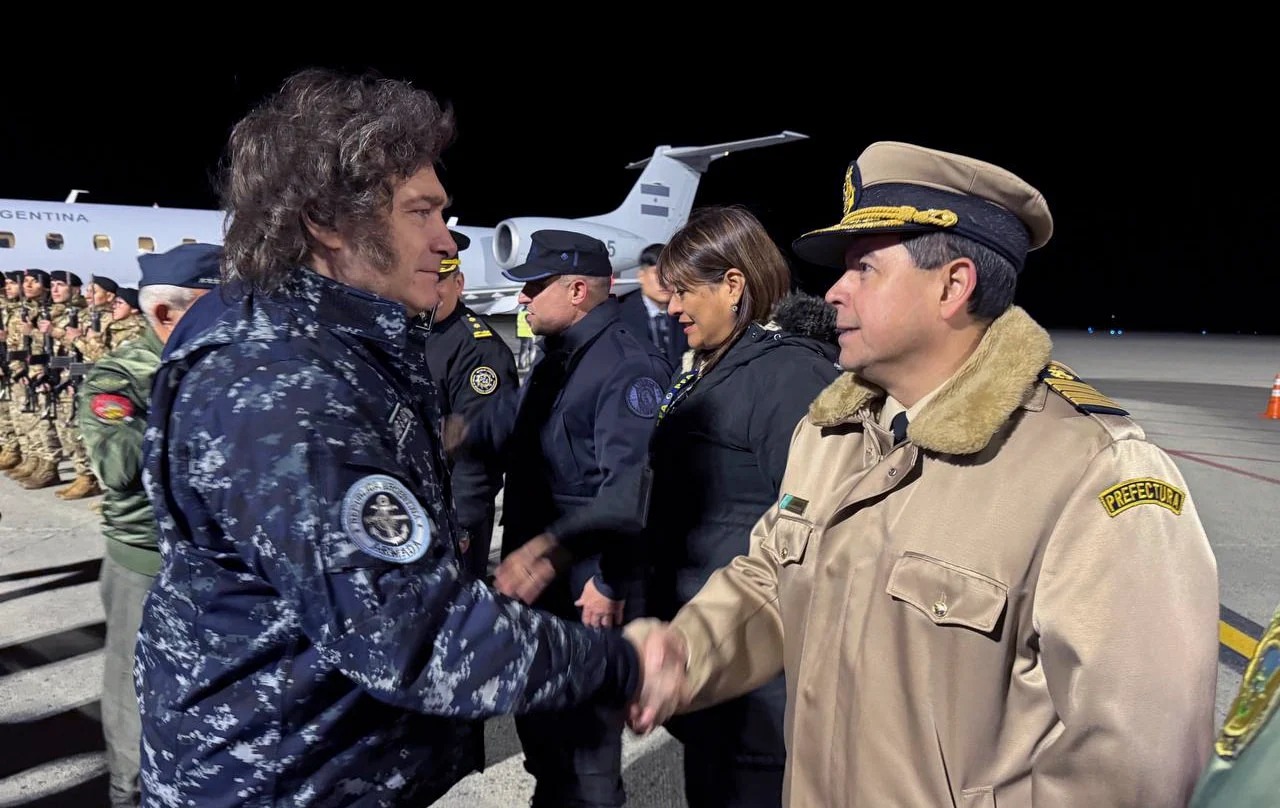
President Javier Milei has finalized his schedule for the 2026 World Economic Forum in Davos, marking a key moment in Argentina’s international engagement and signaling the government’s commitment to global economic integration. His agenda aims to showcase Argentina’s reform trajectory, attract foreign investment, and reinforce strategic partnerships with world leaders, business figures, and economic policymakers.
Milei’s Strategic Focus in Davos
Milei will take the stage in several high-profile sessions designed to highlight Argentina’s economic turnaround. He plans to:
Present Argentina’s reform achievements, including fiscal discipline, inflation control, and structural changes that aim to strengthen competitiveness.
Engage with international investors to explore opportunities in energy, agriculture, technology, and infrastructure.
Participate in panels on economic freedom, rule of law, and public-private cooperation, placing Argentina’s agenda within broader global trends.
Hold bilateral meetings with senior officials, multinational executives, and representatives from leading international financial institutions.
The Argentine delegation accompanying Milei will include key economic and government officials tasked with deepening dialogues on trade, investment, and public policy alignment.
Why Davos Matters for Argentina
Davos is one of the most influential global economic gatherings, drawing leaders from government, finance, and business. For Argentina, Milei’s presence offers a platform to reframe narratives about the country’s economic prospects and signal confidence in its reform path.
By directly engaging with global audiences, Argentina seeks to:
Attract new foreign direct investment, especially in sectors poised for expansion.
Strengthen credibility in global financial markets.
Position the country as a partner for mutually beneficial economic initiatives.
Strategic and Political Implications
Milei’s Davos agenda comes at a moment when Argentina is seeking to solidify gains in macroeconomic stability and expand its international role. The exposures at Davos could enhance Argentina’s standing among global investors and policymakers, supporting long-term objectives such as export growth, capital inflows, and improved sovereign perception.
The president’s remarks and interactions are expected to reinforce a narrative of renewal, pragmatism, and economic openness — core pillars of his leadership style.





Leave A Comment